XII Geo Population Part 1 Short Notes
———————————————–
XII Geo Population Part 1 Short Notes
बारावी भूगोल लोकसंख्या भाग 1 वरील टिपा लिहा
———————————————–
प्रकरण 1 लोकसंख्या भाग 1
XII Geo Population Part 1 Short Notes
बारावी भूगोल लोकसंख्या भाग 1 वरील टिपा लिहा
———————————————–
1 लोकसंख्येचे घटक व रचना
2 जागतिक लोकसंख्या वितरण
3 भूरचनेचा लोकसंख्या वितरणावर प्रभाव
4 जन्मदर आणि मृत्यूदरातील सहसंबंध-
5 लोकसंख्या संक्रमण सिध्दांताचा तिसरा टप्पा -July 2022
———————————————–
XII Geo Population Part 1 Short Notes
बारावी भूगोल लोकसंख्या भाग 1 वरील टिपा लिहा
———————————————–
1 लोकसंख्येचे घटक व रचना
उत्तर-
लोकसंख्येचे सर्व गुणधर्म, जे मोजता येतात त्यांना लोकसंख्येचे घटक म्हणतात. उदा. ग्रामीण – नागरी निवास, वय, लिंग-गुणोत्तर, वैवाहिक स्थिती इ. या घटकांच्या आधारे लोकसख्येची वर्गवारी करता येते त्यामुळे प्रेदशातील लोकसंख्येची वैशिष्टे सुस्पष्ट होतात.
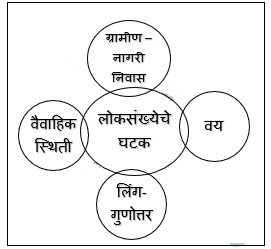
लोकसंख्येच्या घटाकांमुळे प्रदेशातील लोकसंख्येच्या रचनेचे सर्वसामान्य स्वरुप लक्षात येत असते.उदा. वयोरचनेच्या आधारे लोकसंख्येतील बाल, युवा, वृध्द यांची टक्केवारी कळते. लोकसंख्येच्या या रचनेमुळे आपल्याला अवलंबित्वाचे गुणोत्तर समजते. याचा परिणाम देशाच्या अर्थव्यवसोवर कसा होईल हे लक्षात येते किंवा त्या बद्दल निष्कर्ष काढता येतो. लोकसंख्येच्या रचनेतील बदल हे सकारात्मक किंवा नकारात्मक असा असतो. रचनेतील बदल आर्थिक विकासाचा एक निर्देशक असतो.
2 जागतिक लोकसंख्या वितरण
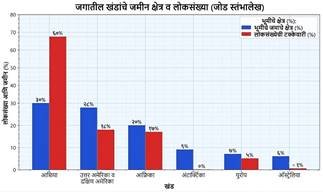
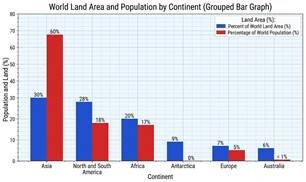
उत्तर- आशिया खंडाची भूमी 30% तर त्यावर 60% लोकसंख्या राहते. आफ्रिका खंडाची भूमी 20% असुन तेथे जगाच्या तुलनेत 17% लोकसंख्या वास्तव्य करते. जगाच्या तुलनेत उत्तर व दक्षिण अमेरिका खंडमिळून 28% भूक्षेत्र आहे तर येथे केवळ 18% लोकसंख्या आहे. युरोप खंडाचे भूमीक्षेत्र जगाच्या तुलनेत 7% असुन तेथे जगातील 5% लोक राहतात. ऑस्ट्रेलिया खंडाची भूमी 6% असुन तेथे जगाच्या तुलनेत 1% सुध्दा लोकसख्या नाही. अंटार्क्टिका खंडाची भूमी 9% असुन तेथे स्थायिक लोकसंख्याच नाही.
पृथ्वीवर लोकसंख्या सारख्या प्रमाणात आढळत नाही. हवामान, खनिज संपत्ती उपलब्धता, सुपिक मृदा, पाण्याची उपलब्धता, या घटकांमुळे काही प्रदेशात लोकसंख्या जास्त प्रमाणात आढळते तर काही प्रदेशात लोकसंख्या कमी आढळते या वरुन लोकसंख्या वितरण असमान आहे असे लक्षात येते.
XII Geo Population Part 1 Short Notes
बारावी भूगोल लोकसंख्या भाग 1 वरील टिपा लिहा
3 भूरचनेचा लोकसंख्या वितरणावर प्रभाव-
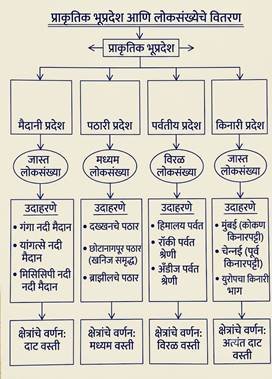
उत्तर: पृथ्वीवरील पर्वत, पठारे आणि मैदाने यांसारख्या विविध भूरचनांचा लोकसंख्येच्या वितरणावर थेट प्रभाव पडतो. याचे मुद्देसूद स्पष्टीकरण खालीलप्रमाणे आहे:
i) मैदानी प्रदेश (अधिक लोकसंख्या)
सपाट जमीन, मुबलक पाण्याची उपलब्धता, सुपीक मृदा आणि वाहतूक मार्गांची सोपी उपलब्धता. यामुळे येथे वैविध्यपूर्ण शेती, उद्योगधंदे आणि व्यवसायांचा मोठ्या प्रमाणावर विकास होतो. त्यामुळे या प्रदेशात जास्त लोकसंख्या सामावून घेण्याची क्षमता असते. उदा. गंगा नदीचे खोरे (भारत), यांगत्से नदीचे खोरे (चीन) आणि मिसिसिपी नदीचे खोरे (अमेरिका).
ii) पठारी प्रदेश (मध्यम ते जास्त लोकसंख्या)
खाणकाम व्यवसाय, सुपीक मृदा आणि जलसिंचनाच्या उपलब्ध सोयी. यामुळे खनिजसमृद्ध किंवा शेतीयोग्य पठारी भागात व जलसिंचनाच्या सोयी उपलब्ध असलेल्या भागात मध्यम ते जास्त प्रमाणात लोकसंख्या केंद्रित झालेली आढळते. उदा. भारतातील दख्खनचे पठार व खनिजसमृद्ध पठारी भाग.
iii) पर्वतीय प्रदेश (विरळ लोकसंख्या)
जास्त उंची, तीव्र उतार, प्रतिकूल (थंड/विषम) हवामान, घनदाट अरण्ये आणि शेतीस अयोग्य जमीन यामुळे जीवन जगण्यास अनेक अडचणी येत असल्याने वाहतूक व उद्योगांचा विकास होत नाही; परिणामी येथे लोकसंख्या अत्यंत विरळ आढळते. उदाहरणे: रॉकी, हिमालय आणि अँडीज पर्वतीय प्रदेश.
अपवाद: ज्या पर्वतीय ठिकाणी आवश्यक सोयी-सुविधा किंवा पर्यटन व्यवसाय विकसित झाला आहे, तेथे काही प्रमाणात लोकसंख्या केंद्रित आढळते.
iv) समुद्रकिनारपट्टीचे प्रदेश (जास्त लोकसंख्या)
सम व अनुकूल हवामान, जलवाहतुकीची सोय आणि व्यापाराच्या संधी यामुळे खंडांतर्गत (उष्ण/विषम हवामानाच्या) भागांपेक्षा समुद्रकिनारी लोकसंख्येचे प्रमाण जास्त असते.
v) थोडक्यात निष्कर्ष:
सपाट व सुपीक भूरचना (मैदाने व किनारे) लोकसंख्येला आकर्षित करतात, तर उंच व दुर्गम भूरचना (पर्वत) लोकसंख्या वितरणावर मर्यादा आणतात.
XII Geo Population Part 1 Short Notes
बारावी भूगोल लोकसंख्या भाग 1 वरील टिपा लिहा
4 जन्मदर आणि मृत्यूदरातील सहसंबंध-
उत्तर- एका वर्षात दरहजार लोकसंख्येमागे जन्माला येणाऱ्या जिवंत बालकांची सख्या म्हणजे जन्मदर होय. तर मूत्युदर म्हणजे दरहजार लोकसंख्येमागे मृत्यु पावणाऱ्यांची संख्या होय. जन्मदर व मृत्यूदर लोकसंख्या वाढीवर परिणाम करीत असतात. जन्मदर व मृत्यूदर लोकसंख्येतील बदलात महत्वाची भूमीका बजावतात. यांच्यामुळे लोकसंख्येत वाढ किंवा घट होते.
जन्मदर व मृत्यूदर हे दोन्ही जास्त असल्यास लोकसंख्या वाढ स्थिर असते. जन्मदर जास्त व मृत्यूदर घटता राहील्यास लोकसंख्यावाढ झपाटयाने होते. जन्मदर कमी व मृत्यूदर कमी असल्यास लोकसंख्या वाढ अत्यल्प असते. परंतु जन्मदर जास्त व मृत्यूदर कमी असल्यास लोकसंखेतील वाढ मध्यम स्वरुपाची पहावयास मिळते. जर जन्मदर कमी होत राहील्यास (घटता), त्याच बरोबर मृत्यूदर कमी परंतु जन्मदर मृत्यूदरापेक्षा कमी नसल्यास लोकसंख्यादरात वाढ अत्यंत कमी प्रमाणात असते जन्मदर खुप कमी होऊन मृत्यूदरा ऐवढा होतो तेव्हा काही देशांमध्ये लोकसख्येत घट होते तर काही ठिकाणी लोकसंख्यावाढ अत्यंत कमी असते.
जन्मदर व मृत्यूदरांची सहसबंध दर्शविरा तक्ता.
| अ.क्र. | जन्मदर | मृत्यूदर | लोकसंख्येवर होणारा परिणाम |
| 1 | जास्त | जास्त | स्थिर / कमी वाढ |
| 2 | जास्त | घटता | झपाट्याने वाढ |
| 3 | जास्त | कमी | मध्यम स्वरुपाची वाढ |
| 4 | घटता | कमी | अत्यंत कमी वाढ |
| 5 | कमी | कमी | अत्यल्प वाढ / स्थिर किंवा घट |
5) लोकसंख्या संक्रमण सिद्धांताचा तिसरा टप्पा
या टप्प्यात देशाचा सामाजिक आणि आर्थिक विकास वेगाने होऊ लागतो, ज्यामुळे लोकसंख्येच्या वाढीमध्ये आणि संरचनेत महत्त्वपूर्ण बदल दिसून येतात.तिसऱ्या टप्याचे वैशिष्टे खालील प्रमाणे आहेत.
i) जन्मदर आणि मृत्यूदराची स्थिती
या टप्यात मृत्यूदर: दुसऱ्या टप्प्याच्या तुलनेत मृत्यूदर आणखी कमी झालेला असतो. तर जन्मदर: या टप्प्यात जन्मदरसुद्धा कमी होऊ लागतो. लोकसंख्या वाढ: जन्मदर हा मृत्यूदरापेक्षा जास्त असल्यामुळे एकूण लोकसंख्या वाढत असते, परंतु लोकसंख्या वाढीचा दर कमी असतो.
ii) आर्थिक स्थिती आणि राहणीमान
लोकसंख्या सक्रमाणाच्या या टप्यात देशाच्या उत्पनात वाढ झालेली असते देशाच्या प्रगतीचा वेग वाढल्यामुळे लोकांचे उत्पन्न वाढलेले असते. हे उत्पन्न साधारणपणे उदरनिर्वाहाच्या खर्चापेक्षा अधिक असते. त्यामुळे लोकांच्या राहणीमानात सुधारणा झालेली असते व देशातील गरिबी कमी होते आणि नागरिकांच्या राहणीमानाचा दर्जा उंचावलेला असतो.
iii) तंत्रज्ञान आणि व्यवसायांचा विस्तार
लोकसंख्या सक्रमणाच्या तिसऱ्या टप्यात तंत्रज्ञानाचा वापर व तंत्रज्ञानाचा विस्तार आणि त्याचा उपयोग मोठ्या प्रमाणावर वाढलेला असतो. द्वितीयक व तृतीयक व्यवसाय वाढलेले असतात नागरिकांच्या उंचावलेल्या सामाजिक आणि आर्थिक स्थितीमुळे द्वितीयक व तृतीयक व्यवसायांचा मोठ्या प्रमाणावर विस्तार झालेला असतो.
iv) शैक्षणिक व सामाजिक बदल
या टप्यात देशातील नागरिकांची शैक्षणिक पातळी उंचावलेली असते. कुटुंब नियोजनाचे महत्त्व लोकांना पटल्यामुळे कुटुंबाचा आकार लहान झालेला असतो आणि परिणामी जन्मदर घटतो.
v) विकसनशील ते विकसित टप्पा-
जे विकसनशील देश विकसित होण्याच्या मार्गावर असतात, ते प्रामुख्याने या टप्प्यात मोडतात.
उदा. चीन, भारत
———————————————-
XII Geo Population Part 1 Short Notes
बारावी भूगोल लोकसंख्या भाग 1 वरील टिपा लिहा
———————————————–
इंग्रजी माध्यम

Question 5: Write short notes.
1) Components and Structure of Population
Answer:
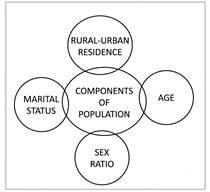
The measurable characteristics of a population are known as the components of population. For example, rural–urban residence, age structure, sex ratio, marital status, education, occupation, etc. On the basis of these components, population can be classified in various ways. This helps in clearly understanding the characteristics of the population of a particular region.
From population components, the structure of the population of a region can be understood. On the basis of age structure, the proportion of children, adults and elderly population can be identified. With the help of this, the dependency ratio can be calculated. Population structure has a significant impact on the economic development of a country. Changes in population structure may be positive or negative. Therefore, population structure is considered an important indicator of economic development.
2) World Population Distribution
Answer:
The world population is not evenly distributed. Asia has about 30% of the world’s land area but supports nearly 60% of the world’s population. Africa occupies about 20% of the land area and has around 17% of the world’s population. North and South America together cover about 28% of the land area but contain only about 18% of the population.
Europe has around 7% of the land area and about 5% of the population. Australia has nearly 6% of the land area but less than 1% of the world’s population. Antarctica occupies about 9% of the land area and has no permanent population.
Factors such as climate, fertile soil, availability of water, mineral resources and transport facilities result in dense population in some regions and sparse population in others. Hence, world population distribution is uneven.
XII Geo Population Part 1 Short Notes
बारावी भूगोल लोकसंख्या भाग 1 वरील टिपा लिहा
———————————————–
3) Impact of Relief on Population Distribution
Answer:
Relief refers to the physical features of the Earth’s surface such as plains, plateaus and mountains. Relief has a major influence on population distribution. Plains have adequate water supply, fertile soil and favourable conditions for agriculture. Due to the development of transport facilities, plains support dense population.
Examples include the Ganga, Yangtze and Mississippi river basins.
In mountainous regions, high altitude, steep slopes, unfavourable climate, dense forests and land unsuitable for agriculture make life difficult. Therefore, population is sparse in such regions.
Examples include the Himalayan, Rocky and Andes mountain ranges. However, some mountainous tourist centres show limited population concentration.
In plateau regions, areas with irrigation facilities, mining activities or fertile soil support moderate population. Coastal regions have favourable climate and trade opportunities, so they have higher population density compared to interior regions.
4) Relationship between Birth Rate and Death Rate
Answer:
Birth rate refers to the number of live births per thousand population in a year, whereas death rate refers to the number of deaths per thousand population in a year. Birth rate and death rate directly influence population growth and play an important role in population change. Due to variations in birth rate and death rate, population may increase or decrease.
When both birth rate and death rate are high, population growth remains stable. If birth rate is high and death rate continues to decline, population increases rapidly. When both birth rate and death rate are low, population growth is very slow. If birth rate is high and death rate is low, moderate population growth is observed.
If birth rate keeps declining and death rate is also low, but birth rate is not lower than death rate, population growth remains very low. When birth rate becomes very low and equals the death rate, population growth becomes negligible, and in some countries population decline is also observed.
Correlation Table: Birth Rate, Death Rate, and Impact on Population
| Sr. No. | Birth Rate | Death Rate | Impact on Population |
| 1 | High | High | Stable / Low Growth |
| 2 | High | Declining | Rapid Growth (Population Explosion) |
| 3 | High | Low | Moderate Growth |
| 4 | Declining | Low | Very Low Growth |
| 5 | Low | Low | Negligible Growth / Stable or Decline |
XII Geo Population Part 1 Short Notes
बारावी भूगोल लोकसंख्या भाग 1 वरील टिपा लिहा
———————————————–
5) Third Stage of the Theory of Demographic Transition
Answer:
In the third stage of demographic transition, the death rate declines further compared to the second stage. During this stage, the birth rate also begins to decline. However, since the birth rate remains higher than the death rate, population continues to grow, though at a slower rate.
In this stage, the pace of national development increases and people’s income rises. Income becomes more than what is required for subsistence. As a result, poverty declines and the standard of living improves. The use and expansion of technology increase significantly during this stage.
Due to improved social and economic conditions, secondary and tertiary occupations expand rapidly. The educational level of the population rises, and awareness about family planning increases. Consequently, birth rate declines and the size of families becomes smaller.
Developing countries that are moving towards a developed stage generally belong to this stage.
Example: China.
———————————————–
XII Geo Population Part 1 Short Notes
बारावी भूगोल लोकसंख्या भाग 1 वरील टिपा लिहा
———————————————–
———————————————–
XII Geo Population Part 1 Short Notes
बारावी भूगोल लोकसंख्या भाग 1 वरील टिपा लिहा
——————————————–

अधिक वाचा –
HSC Juy 2026 Geography Question Paper and Answers
HSC 2021 Geography Question Paper and Answers
HSC बोर्ड जुलै 2024 भूगोल प्रश्नपत्रिका व तिची सोडविलेली उत्तरपत्रिका
HSC बोर्ड 2022 भूगोल प्रश्नपत्रिका व तिची उत्तरपत्रिका
बारावी भूगोल संपूर्ण अभ्यासक्रमावर आधारित योग्य पर्याय निवडा प्रश्न व त्यांची उत्तरे
बारावी भूगोल संपूर्ण अभ्यासक्रमावर आधारित साखळी पुर्ण करा व त्यांची उत्तरे
बारावी भूगोल जर्नल
बारावी भूगोल जर्नलसाठी संपर्क करा- प्रा मनोज देशमुख 9607371951